











Move past “something is under pressure” to “this database, this application, this query is the cause.” This guide is for teams who already use SQL...


Move past “something is under pressure” to “this database, this application, this query is the cause.” This guide is for teams who already use SQL...

See exactly what collided and why, the moment it happens, instead of reconstructing it from a partial error log entry hours later. If you use SQL...

See who is connected, what is running, and what is blocking what; live, instead of reconstructing it from logs afterward. If you use SQL Diagnostic...

Ask a DBA team what happens when a monitoring alert fires, and most describe the same sequence: an email goes out, and then a person has to notice...

Ask most SQL Diagnostic Manager customers what the tool does for them, and the answer is almost always some version of the same thing: it watches...

Why Forecasting & Capacity Planning Matters If you use SQL Diagnostic Manager every day to monitor performance, keep an eye on alerts, and...

"Users noticed slowness yesterday afternoon. What happened?" Every DBA team has fielded some version of that question, usually a day or two after...

A query that used to run in two seconds now takes twenty. The execution plan has not changed. The indexes are the same. CPU and memory inside the...

SQL Server index fragmentation is a page-ordering mismatch. The physical order of pages on disk stops matching the logical key order of the index,...
Capacity problems in SQL Server rarely arrive without warning. A volume that fills up this month was trending that way for weeks, and the data to...

Ask any DBA what their process looks like the moment a deadlock is reported, and you will usually hear some version of the same story: check the...
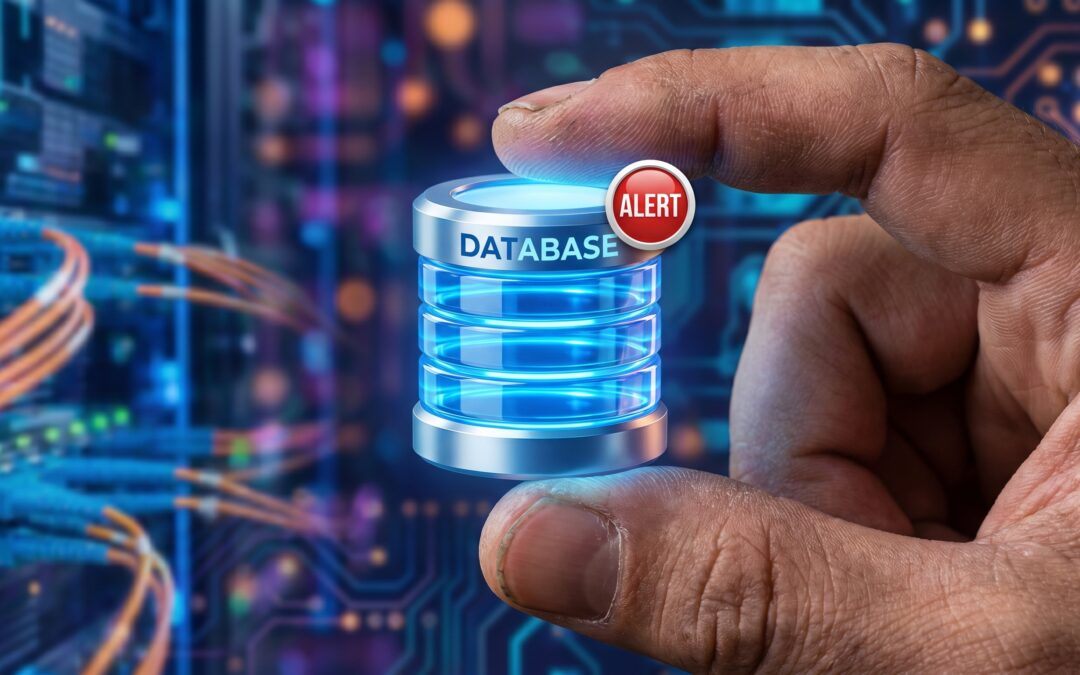
Why This Feature Exists — and Why You Should Be Using It You've already got SQL DM watching your servers and firing alerts when thresholds break....